

UNOFFICIAL RESULTS

Rory Laing-Gatehouse
Faculty of Arts and Social Science Representative
ELECTED
-
Pronouns: He/Him
Platform:
Your voice for radical change.Social Media
@rory4DSU -
In a maximum of 250 words, tell students why they should elect you to this position:
My name is Rory, and I am running to be your next Factulty of Arts and Social Sciences (FASS) representative. I believe that FASS students, as critics and keen observers of our world, have a unique perspective on both campus and global issues. I will seek to bring this perspective to the DSU, and stand up for the people I represent. I am passionate about youth political engagement, and I will use my position to encourage dalhousie students to speak up, get involved, and talk about politics in ways that generate real change. Universities have often been described as at the forefront of progressive politics and radical change, and I want to help make Dalhousie a leader in that field, with a DSU that is not only strong as an administrative body, but also as a community organizer. In high school, I spent three years leading my school's student council, during which I frequently clashed with my administration, fighting them, and speaking out against unjust policies. I promise to bring that same energy to the DSU, and hold those in power in the school administration accountable, whether it is on issues of transparency and their lack of communication with student leaders, or their continuing refusal to fully divest. In other words, I will be a massive pain in the butt to anyone who seeks to turn your education into a moneymaking operation.
-
List a fun fact about yourself:
I almost died to a stomach parasite after drinking contaminated kava in Fiji.
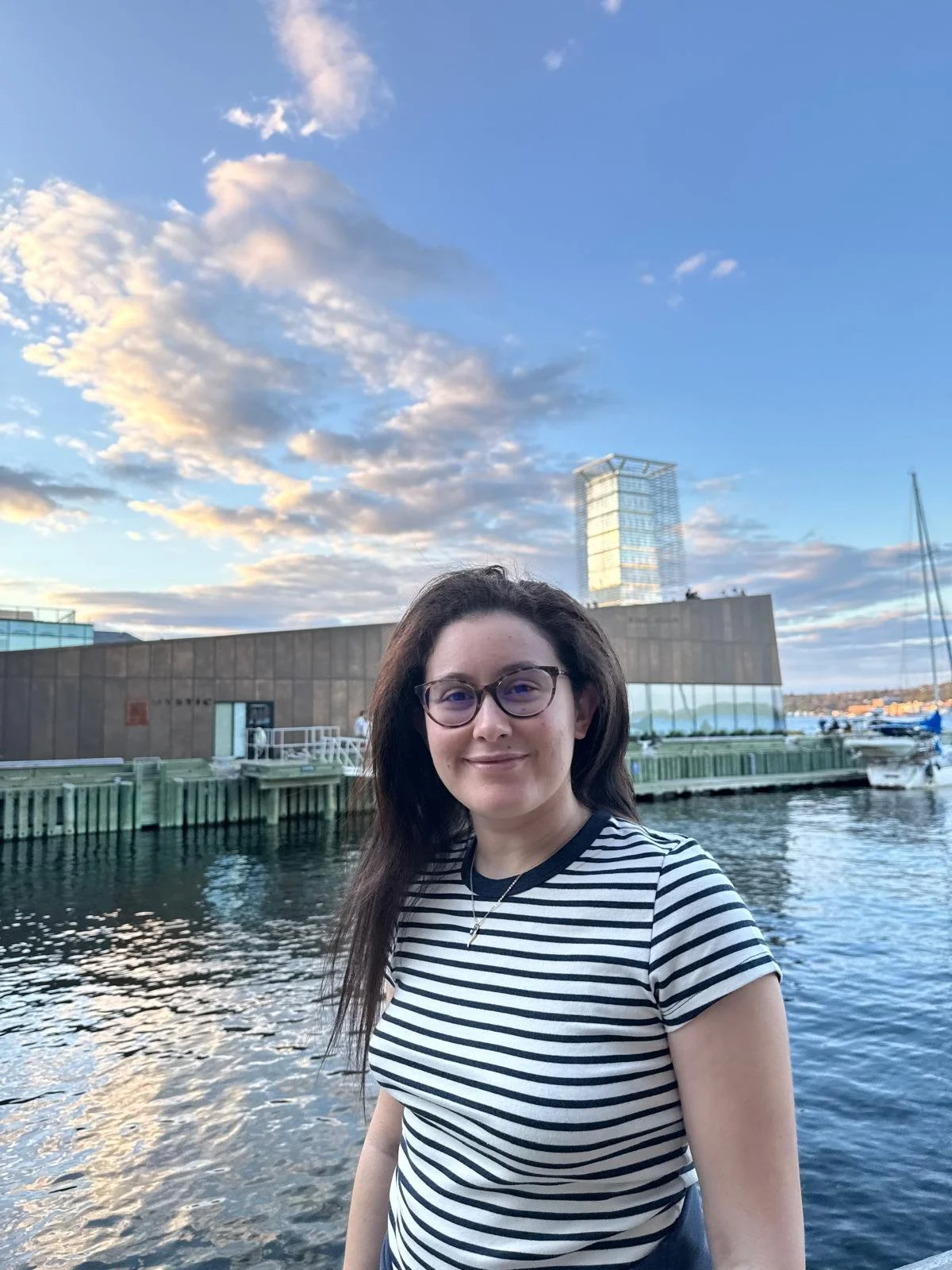
Nermine Mokdad
Faculty of Architecture and Planning Representative
ELECTED
-
Pronouns: She/Her
Platform:
Every great plan needs a great designSocial Media: @nerminemokdad
-
In a maximum of 250 words, tell students why they should elect you to this position:
Hi, I’m Nermine, a Master of Planning student at Dalhousie University, and I would love to be your Faculty of Architecture and Planning Representative.
I come from both sides of our faculty, with a degree in architecture and urbanism and now a planning degree in progress. I’ve seen how differently our disciplines look at the same questions, and how much stronger the work becomes when we share those perspectives.
We are all on Sexton campus, yet it’s easy for students to end up in separate circles. I’d love to help change that. As your representative, I hope to:
Bring us closer through social and academic events across programs.
Ask you which projects and collaborations you’d like to see and shape the year around your ideas. This will grow as I hear from you during the campaign.
Help new students, especially those arriving from other cities and countries, feel welcome and find their footing.
Keep you in the loop with clear updates on cross-disciplinary opportunities, funding, co-ops and faculty decisions that benefit both architecture and planning students.
Make sure your needs, concerns and questions reach faculty and administration, then report back on what happens.
You should elect me because I am not afraid to speak up for the right things. If something isn’t working for students, I will say so clearly and respectfully, and keep pushing until it’s heard.
Vote Nermine!
-
List a fun fact about yourself:
I have lived in five countries: Tunisia, South Africa, Denmark, the USA and Canada!
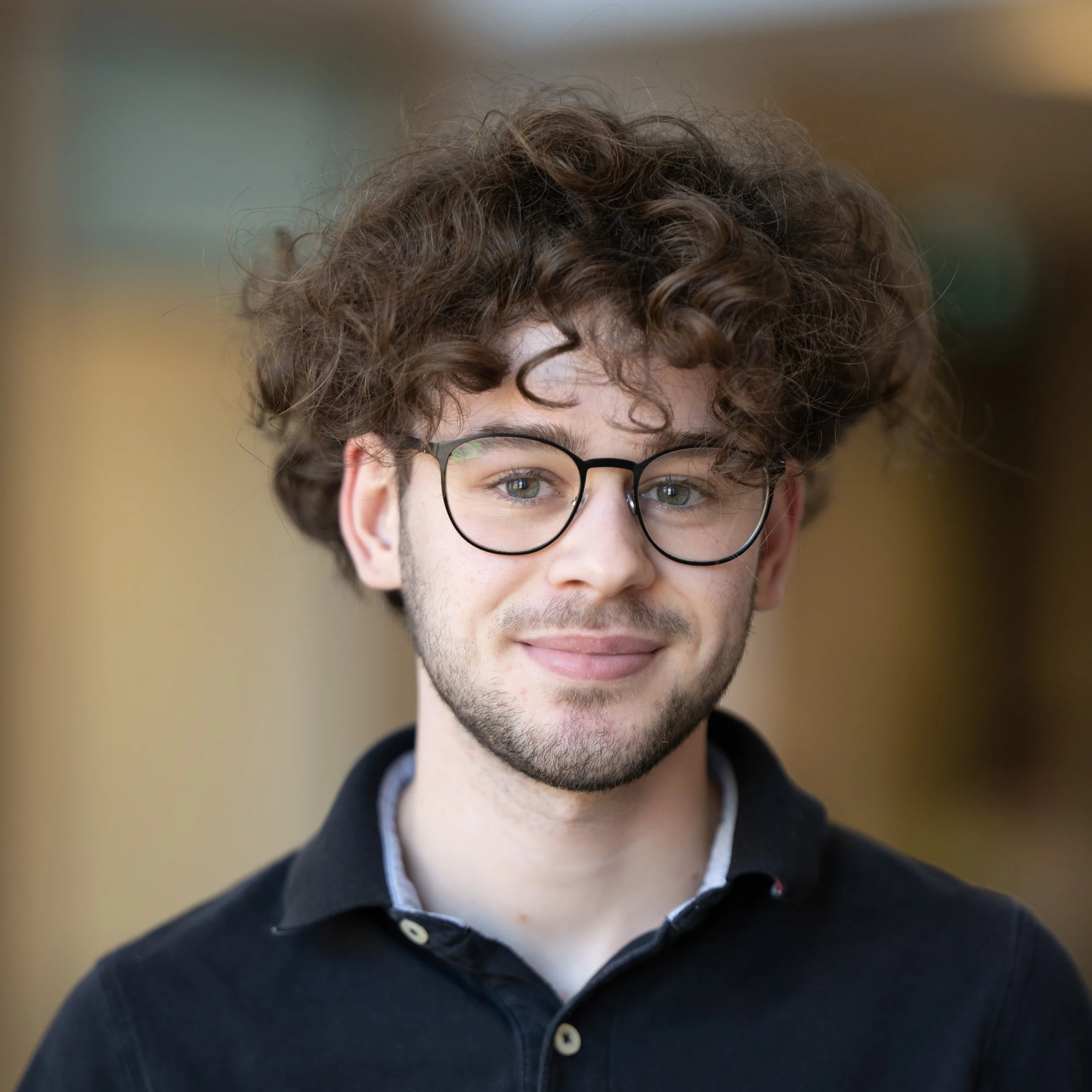
Kenzy Bezeau
Disabled Students' Community Representative
ELECTED
-
Pronouns: N/A
Platform:
Accommodations Are Rights, Not AfterthoughtsSocial Media
@kenzybezeau (Instagram) -
In a maximum of 250 words, tell students why they should elect you to this position:
My name is Kenzy Bezeau dit Michel, and I’m running as your Disabled Students’ Community Representative. As a student with autism, Crohn’s disease, chronic pain & fatigue, and generalized anxiety disorder, I understand the struggles of attending university with disabilities.
Our university has been letting down disabled students for far too long. My main objective is to improve accommodations for disabled students. Hiring more accommodation advisors will decrease long delays and administrative disorganization, helping disabled students get the support they need faster and with much more ease. I will build a strong case around the understaffing of advisors based on wait times, lack of care, and the impacts this poses against students.
I will also be creating new opportunities for disabled students to come together and have their voices be heard. This will include hosting meetings, taking surveys, and putting up information posters on campuses.
Thank you for your support, and I look forward to working on these goals alongside my community! -
List a fun fact about yourself:
My special interests are moose and superheroes.
violations:

DSU fall ELECTION:
Survival guide
Thinking about running?
Check out the basics you need to know about running in the election.
Contact the Chief Returning Officer, Reid Delaney, with any questions about the elections process.
-
How do I run in the fall election? Your first step is to be nominated for a position by completing the following steps:
Complete your Nomination Form, available here. Packages can be completed electronically and physically.
Provide your information and what position you are running for
Confirm you have read Bylaw 9 and the Elections & Referenda Policy
Get the support of fifteen (15) Dalhousie University students using the Nominator Collection Form in the Nomination Form
Submit your completed Nomination Form here by September 24th , 2026 at 4:30pm
Attend the mandatory All-Candidates Meeting on September 24th, 2026 at 6:00pm in Council Chambers.
-
See the full Elections Period Schedule HERE! Find an overview of key dates below.
Important Dates:
Nominations Open
September 14th @ 8:30am
Information Sessions
September 14th – October 6th
Nominations Close (Nomination Forms Due)
October 6th @ 4:30pm
All-Candidates Meeting
October 6th @ 6:00pm to 8:00pm
Campaign Period Begins
October 7th @ 8:30am
All-Members Email
October 7th @ 8:30am
Candidate Questionnaire Due
October 8th @ 12:00pm (noon)National Day for Truth and Reconciliation (Campaigning Prohibited)
September 30th
Debate
October 14th @ 7:00pm to 9:00pm
Deadline for candidates to withdraw
October 19th @ 12:00pm
Voting Period Begins
October 20th @ 8:30am
Voting Period Ends
October 21st @ 8:30pm
Campaign Period Ends
October 21st @ 8:30pm
Results, Appeals, and Clean-Up
Unofficial Results Announced
October 22nd @ 8:30am
-
How do I run my campaign?
Learn the campaign rules by reading the Elections & Referenda Policy.
Campaigning starts on September 25th, 2026 at 8:30am!
Submit the Candidate Questionnaire by September 26th, 2026 at 12:00pm (noon).
Build your team of Dalhousie University students to help with your campaign as Campaign Workers. Keep a list of your Campaign Workers using the List of Campaign Workers.
Start campaigning!
Encourage students to vote by sharing DSU "How to Vote" posts!
-
Do:
Submit Documents on time!
Not submitting important documents by their deadlines will likely result in the revocation of your candidacy!Get all your required signatures.
Failing to meet your signature quota will cause your nomination to be denied.
Attend all required training
It’s important for your candidacy to complete all required training, and attend appropriate meetings. Failing to do so can result in fines, or revocation of candidacy.
Treat other candidates respectfully
Any form or forms of discrimination and/or harassment will not be tolerated, nor will hate speech rooted in, but not limited to, sexist, racist, classist, ableist, homophobic or transphobic sentiments and/or remarks.
Don’t:
Second guess your qualifications!
If you meet the eligibility requirements for a position and are thinking of running, go for it. You’ll learn along the way!
Overspend
Candidates have access to funds for their election campaign, but can also incur fines during the election period that must be paid. Make sure to spend wisely, as you only have so much!
Misunderstand the Position
Ensure that you understand what position you’re running for, and what its roles are.
Tailor your campaign to these roles in order to reach the appropriate audience!
______________________________
Common Elections Mistakes:
Not reading the Campaign rules
It’s important to know what is and is not allowed during an election. The DSU has rules regarding where and when you can campaign!
Errors in your Nomination Forms
Having errors, or mistakes in your nomination forms can lead to disqualification in some cases, or even just a lack of information on your campaign being accessible to voters. Always double check your work before submitting, and ensure that you submit all required forms!
Not understanding the difference between a Nominee and a Candidate
When you nominate yourself, your nomination must be approved before you officially become a candidate. If you’re missing certain forms, your nomination may not be accepted and you will not show up on the ballot.
Keep in contact with the CRO!
current Open Positions:
The positions available in the 2026 Fall Election are coming soon.
Positions will be held for until the end of the 2026-27 year’s term, April 30th, 2027 (unless otherwise specified).

-
Faculty Representatives are members of DSU Council who bring forward the ideas, concerns, and viewpoints of students within their respective faculty departments.
There are twelve (12) Faculty Representatives, with one representative from each faculty.
The current positions available are:
Faculty of Agriculture Representative
• Faculty of Architecture & Planning Representative
• Faculty of Arts & Social Sciences Representative
• Faculty of Computer Science Representative
• Faculty of Graduate Studies Representative
-
Community Representatives are members of DSU Council who bring forward the ideas, concerns, and viewpoints of students within their respective communities.
There are seven (7) Community Representatives, with one representative from each community,
The following Community Representative positions are available in the Fall Election:
Disabled Students' Community Representative
Women Students' Community Representative
International Students' Community Representative
Residence Students’ Community Representative


Election F.A.Q’s
-
Executive Postion Eligibility:
All students are eligible to run for an executive position, as long as they are a Dalhousie student for the duration of their term.
General Election: May-April
By-Election: October - April
For more information, see Bylaw 4.2
Community Representative Eligibility:
Council includes a representative for many key communities of Dalhousie students. Eligibility is based on self-identification with a specific community.
Where membership in a community is through self-identification, theDSU honours a candidate's self-identification and does not request proof of their identity.
Faculty Representative Eligibility:
Coming soon
-
Read through the “ Becoming a Candidate” dropdown at the top of our page, or download the PDF version HERE!
Still have questions, or feeling unsure?
Reach out the the CRO dsucro@dal.ca who is in charge of this year’s election! -
See the full Elections Period Schedule HERE! Find an overview of key dates below.
Important Dates:
Nominations Open
September 14th @ 8:30am
Information Sessions
September 14th – 24th
Nominations Close (Nomination Forms Due)
September 24th @ 4:30pm
All-Candidates Meeting
September 24th @ 6:00pm to 8:00pm
Campaign Period Begins
September 25th @ 8:30am
All-Members Email
September 25th @ 8:30am
Candidate Questionnaire Due
September 26th @ 12:00pmNational Day for Truth and Reconciliation (Campaigning Prohibited)
September 30th
Debate
October 1st @ 7:00pm to 9:00pm
Deadline for candidates to withdraw
October 5th @ 12:00pm
Voting Period Begins
October 6th @ 8:30am
Voting Period Ends
October 7th @ 8:30pm
Campaign Period Ends
October 7th @ 8:30pm
Results, Appeals, and Clean-Up
Unofficial Results Announced
October 8th @ 8:30am
-
Executive Position:
Executive Officers are expected to devote the time and attention to the role as may be required to carry out their responsibilities and meet the objectives of the Union, as outlined in DSU bylaws and policies.
They are expected to set and maintain regular office hours to be accessible to Members and Union staff. These are full-time, paid positions. See Bylaw 5, the Executive Policy, and section 14 of the Financial Policy for more information.
Faculty & Community Rep Positions:
Community & Faculty reps are required to attend the appropriate committee meetings they sit on,
They are required to attend council meetings (monthly in summer term & bi-weekly during fall and winter term)
For more specific information on roles refer to duties under DSU By-laws!
-
A campaign worker is an individual who has agreed to assist a candidate with campaigning in any capacity. If you are worried about running a campaign all on your own, you do not have to! All you need to do is ask someone if they would be willing to help with your campaign and then submit a list of campaign workers alongside your nomination form. You could have one, a few, or a whole team of campaign workers!
A campaign worker has to be a Dalhousie student.
Campaign workers must abide by the Elections and Referenda Policy and attend the All-Candidates Meeting.
-
Contact the Chief Returning Officer, Reid Delaney, with any questions about the elections process.


Resources for Campaigns & Candidates
Candidates should refer to the DSU Bylaws and Elections Policy for basic campaigning rules.
Have other questions? Reach out to us!
DSU Bylaw 9
Refer to the DSU Bylaws and Elections Policy for basic campaigning rules. Bylaw 9 governs elections and referenda. Please read & understand it
Elections/Referenda Policy
Refer to the DSU Bylaws and Elections Policy for basic campaigning rules. The Policy outlines the procedures and authority
for DSU Elections.
Complaints & Appeals
Do you have a complaint or wish to appeal a nomination or election results?
Check appeal deadlines in the election Schedule and use the following links below